
Wing Venation
December 2025
By Leilani Pulsifer
If you’ve had the privilege of closely observing winged insects, you’re sure to have noticed the complex network of veins that work their way through each wing. The unique layout of these veins is referred to as the venation pattern. These veins deliver necessary nutrients to the wing to keep it functioning while simultaneously offering a framework to support the wing (Salcedo & Socha, 2020). Not only that, but the veins create a pattern unique to each species of insect, making it possible to identify an insect from its wing alone.

Illustration of a honey bee (Apis mellifera) forewing

Illustration of a bumble bee (Thoracobombus spp.) forewing

Illustration of an Alaska yellowjacket (Vespula alascencis) forewing
Studies of the honey bee wing show that one of the most distinctive features of a honey bee’s venation pattern is the marginal (radial) cell on the forewing. This elongated cell, distinguished by its round ends, is a key feature that can be used to identify honey bees. Looking at just the marginal cell alone, Francoy et al. (2006) were able to differentiate between three honey bee subspecies. Studies have been done for bumble bee and hornet species and have had similar results. Kozmus et al. (2010) analyzed the wing venation of 18 different bumble bee species and over 97% of the individuals were assigned to the correct species. Perrard et al. (2014) concluded that wing shape and venation were reliable tools to use for identification between hornet species.
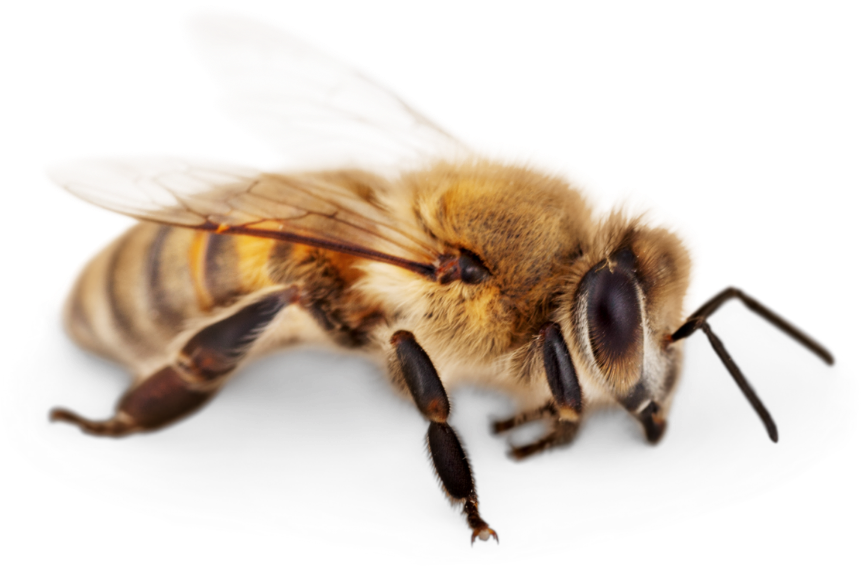
Honey bee (Apis mellifera)
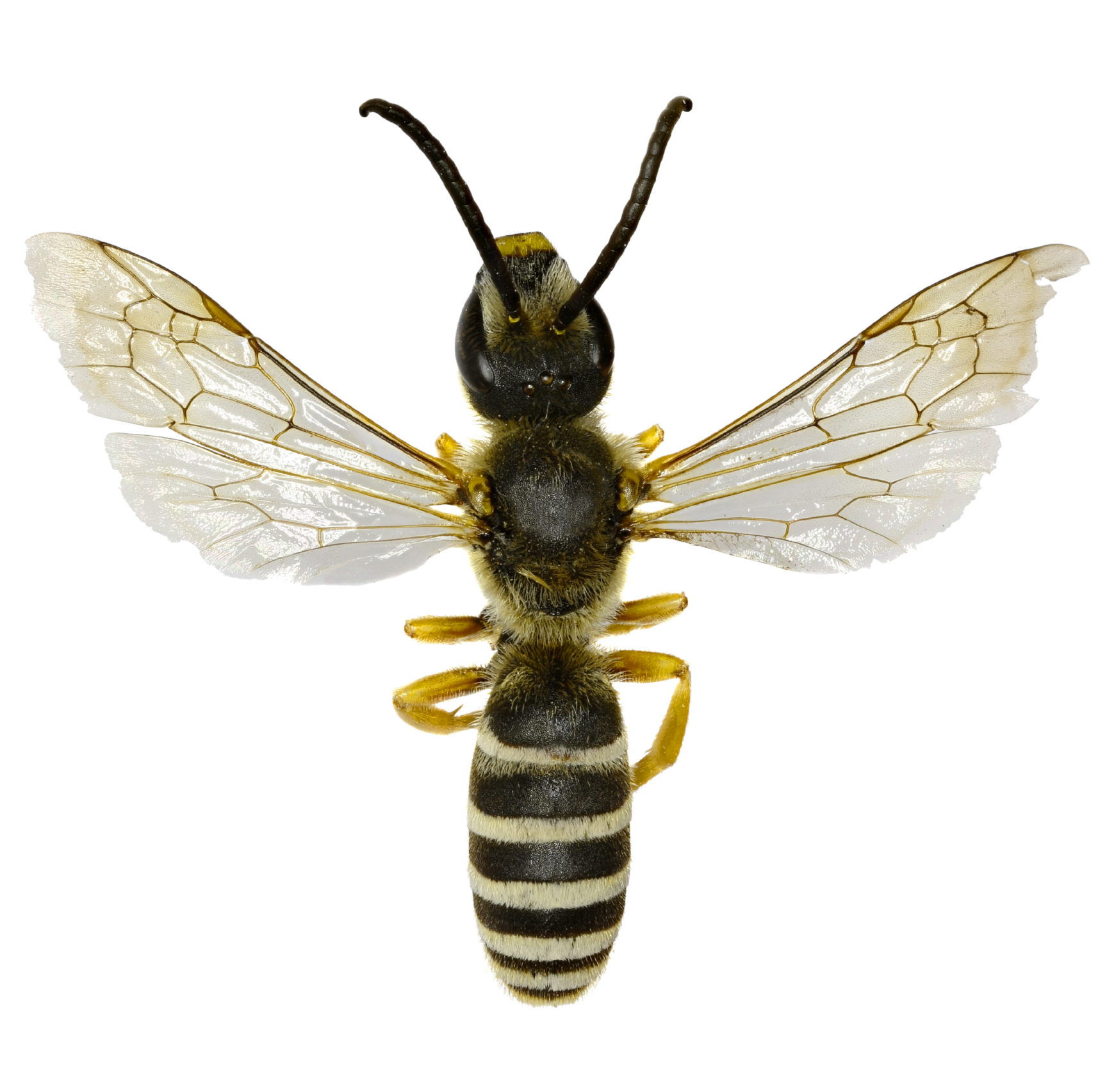
Furrow bee (Halictus poeyi)
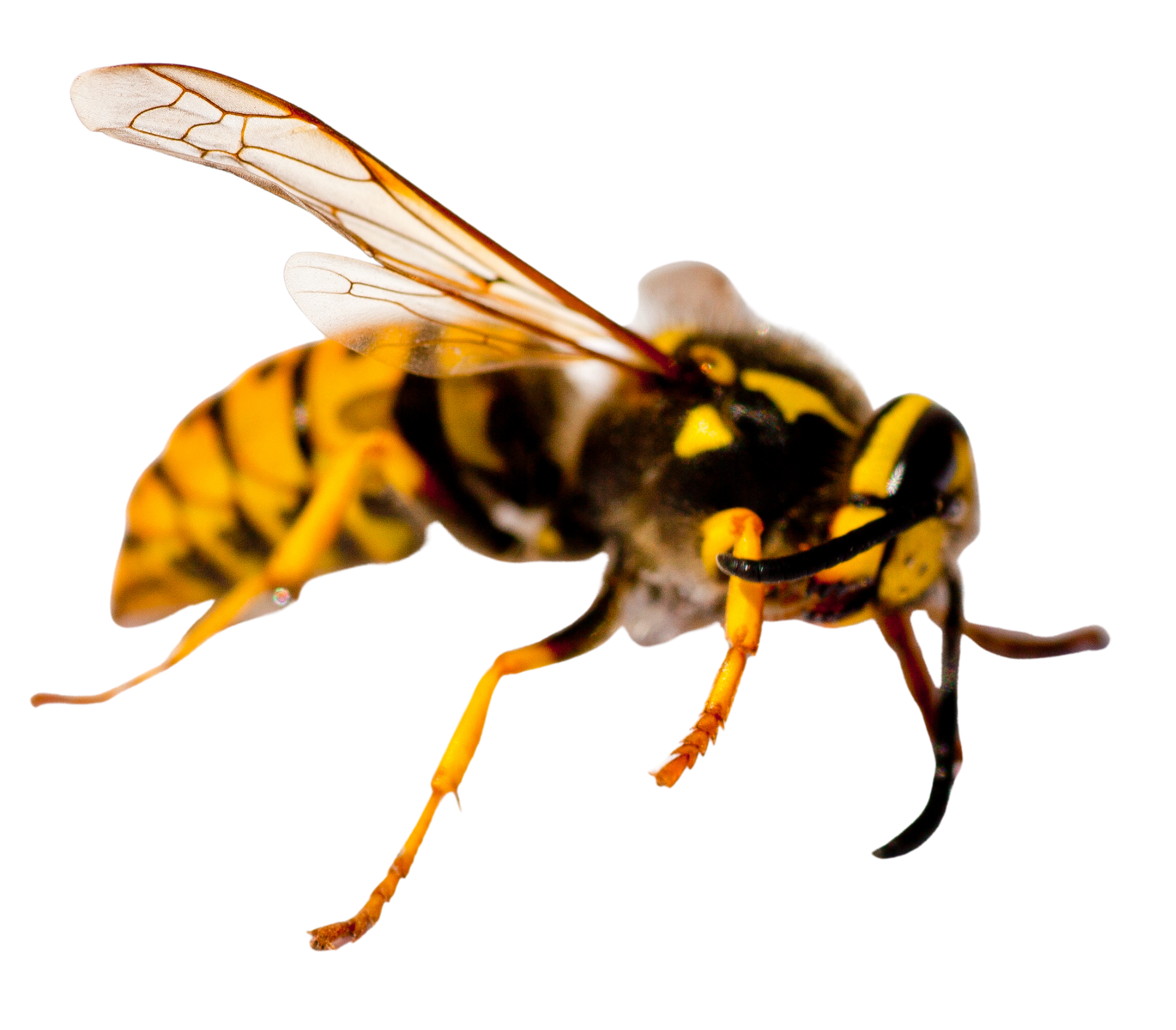
Yellowjacket wasp (Vespula spp.)
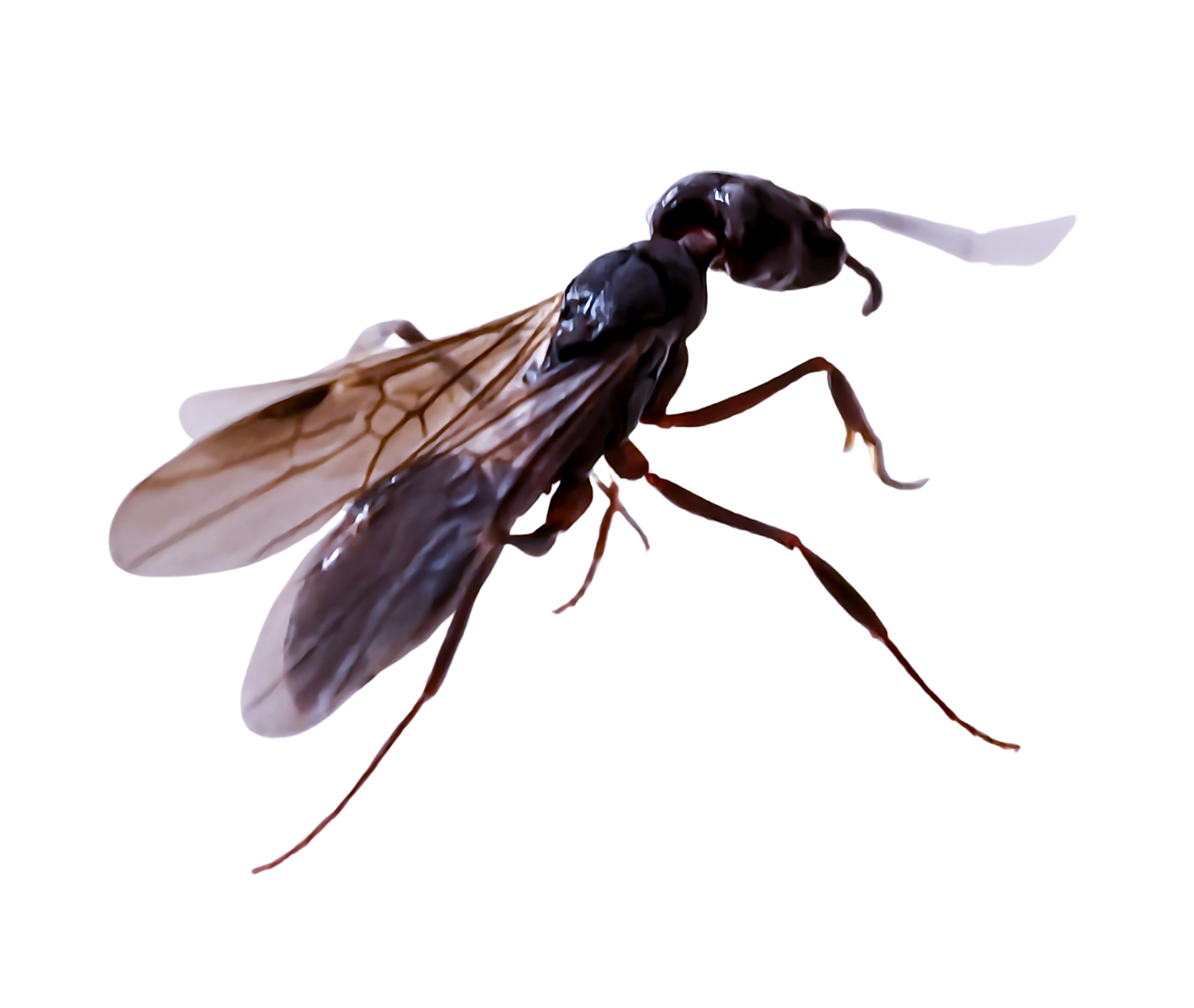
Winged carpenter ant (Camponotus spp.)
Even for those less familiar with the world of beekeeping and perhaps unable to recognize subtle honey bee characteristics—the pattern of wing venation, particularly the structure of the marginal cell, provides a powerful and reliable tool for identification. This may allow them to make the important distinction between a honey bee, a wasp, and a bumble bee. This feature is also valuable in situations where the honey bee’s body traits may be obscured or altered, making it difficult to identify—whether by phenotypic variation, genetic mutations, or environmental influences—while the wing venation remains consistent. Another alternative is to use molecular methods to look at genes as a more extensive way to identify between subspecies of bees (Syromyatnikov et al., 2018). The next time you’re in your apiary, take a moment to examine your bees’ wings closely: that small, precise shape of the marginal cell isn’t just a detail—it’s a signature feature that sets the honey bee apart.
References
Abou-Shaara, H. F., & Al-Ghamdi, A. A. (2012). Studies on wing symmetry and honey bee races discrimination by using standard and geometric morphometrics. Biotechnology in Animal Husbandry, 28(3), 575-584. Doi: 10.2298/BAH1203575A
Francoy, T. M., Prado, P. R. R., Gonçalves, L. S., Costa, L., & De Jong, D. (2006). Morphometric differences in a single wing cell can discriminate Apis mellifera racial types. Apidologie, 37, 91-97. Doi: 10.1051/apido:2005062
Kozmus, P., Virant-Doberlet, M., Meglic, V., & Dovc, P. (2010). Identification of Bombus species based on wing venation structure. Apidologie, 42, 472-480. Doi: 10.1007/s13592-011-0037-5
Perrard, A., Baylac, M., Carpenter, J. M., & Villemant, C. (2014). Evolution of wing shape in hornets: why is the wing venation efficient for species identification? Journal of Evolutionary Biology, 27(12), 2665-2675. Doi: https://doi.org/10.1111/jeb.12523
Salcedo, M. K., & Socha, J. J. (2020). Circulation in insect wings. Integrative and Comparative Biology, 60(5), 1208-1220. Doi: 10.1093/icb/icaa124
Santoso, M. A. D., Juliandi, B., & Raffiudin, R. (2018). Honey bees species differentiation using Geometric Morphometric on Wing Venations. Earth and Environmental Science, 297. Doi: 10.1088/1755-1315/197/1/012015
Syromyatnikov, M. Y., Borodachev, A. V., Kokina, A. V., & Popov, V. N. (2018). A molecular method for the identification of honey bee subspecies used by beekeepers in Russia. Insects, 9(1), 10. Doi: https://doi.org/10.3390/insects9010010