
Stronger Hives Start With Better Practices
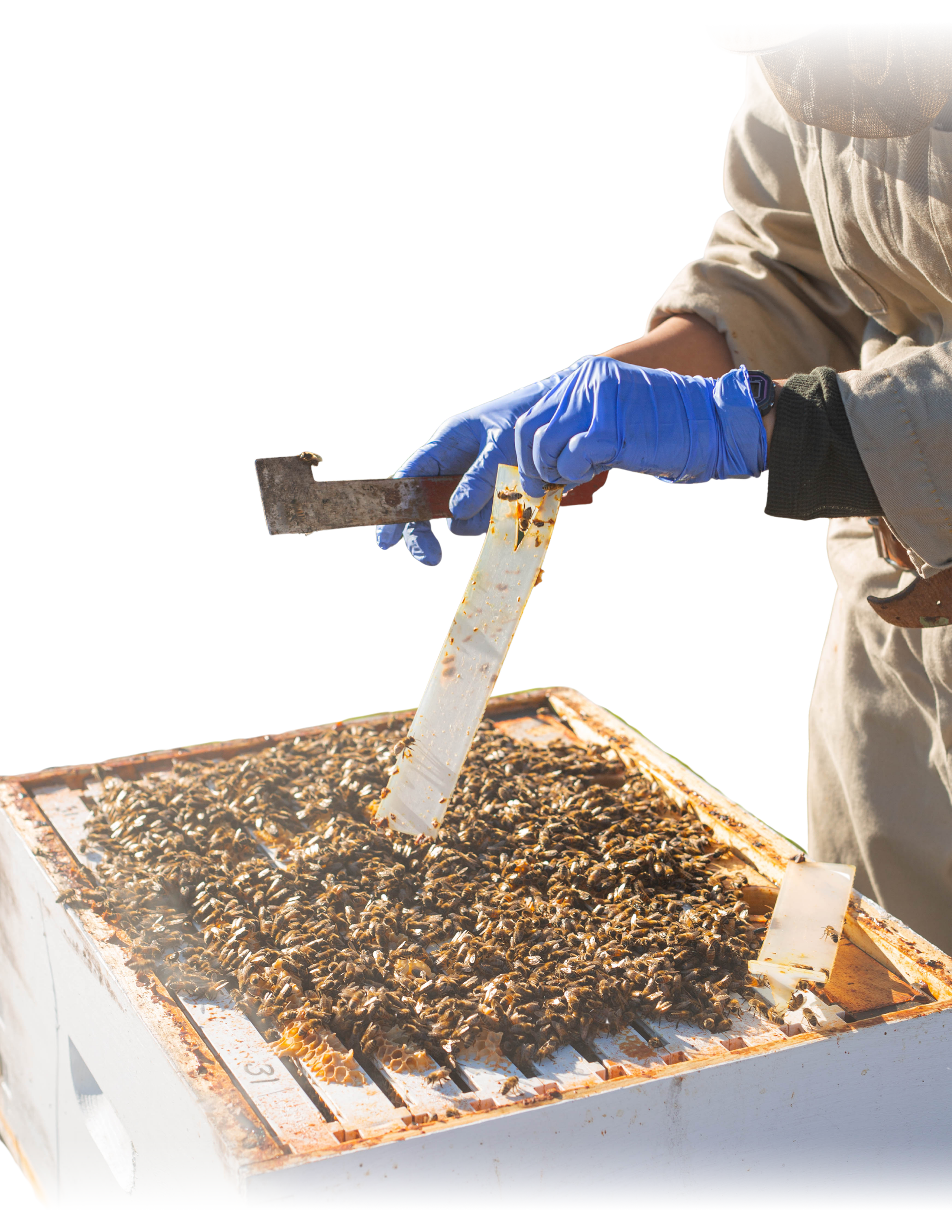
Biosecurity in Beekeeping and Honey Production
Explore the essential practices that protect honey bee health—from preventing the introduction of disease to proper equipment management, operations, and seasonal risks. Learn how to recognize threats, respond effectively, and apply practical, field-ready biosecurity strategies that support productive colonies, and responsible beekeeping.
Tuition is a one-time fee of $49
At the end of this course, you will be able to:
-
✺
Explain the role of biosecurity in honey bee health and apiary management in British Columbia.
-
✺
Apply Best Management Practices to support colony health and prevent disease transmission.
-
✺
Implement operational biosecurity measures across apiary activities and equipment use.
-
✺
Adapt biosecurity practices to seasonal conditions and routine beekeeping activities.
-
✺
Respond appropriately to suspected disease outbreaks while protecting colonies.
-
✺
Integrate environmental stewardship and native pollinator considerations into biosecurity.
What’s inside
Module 1
An introduction biosecurity and basic concepts.
Module 2
Best Management Practices and bee health management.
Module 3
Operations management and practical application.
Module 4
Seasonal Considerations.
Module 5
Response and containment.
Module 6
Native pollinator and environmental considerations.
Module 7
Conclusion and overview.
Assessment
Knowledge will be assessed through a variety of short quizzes. Upon successful completion a Badge certifying completion will be awarded.
Glossary
Definitions of words used in the science and practice of beekeeping.
Free Sample Course
Not sure if this course is for you? Try out the content for free! We've created a Free Sampler course so you can see how the content is delivered and have confidence this course will work for you.
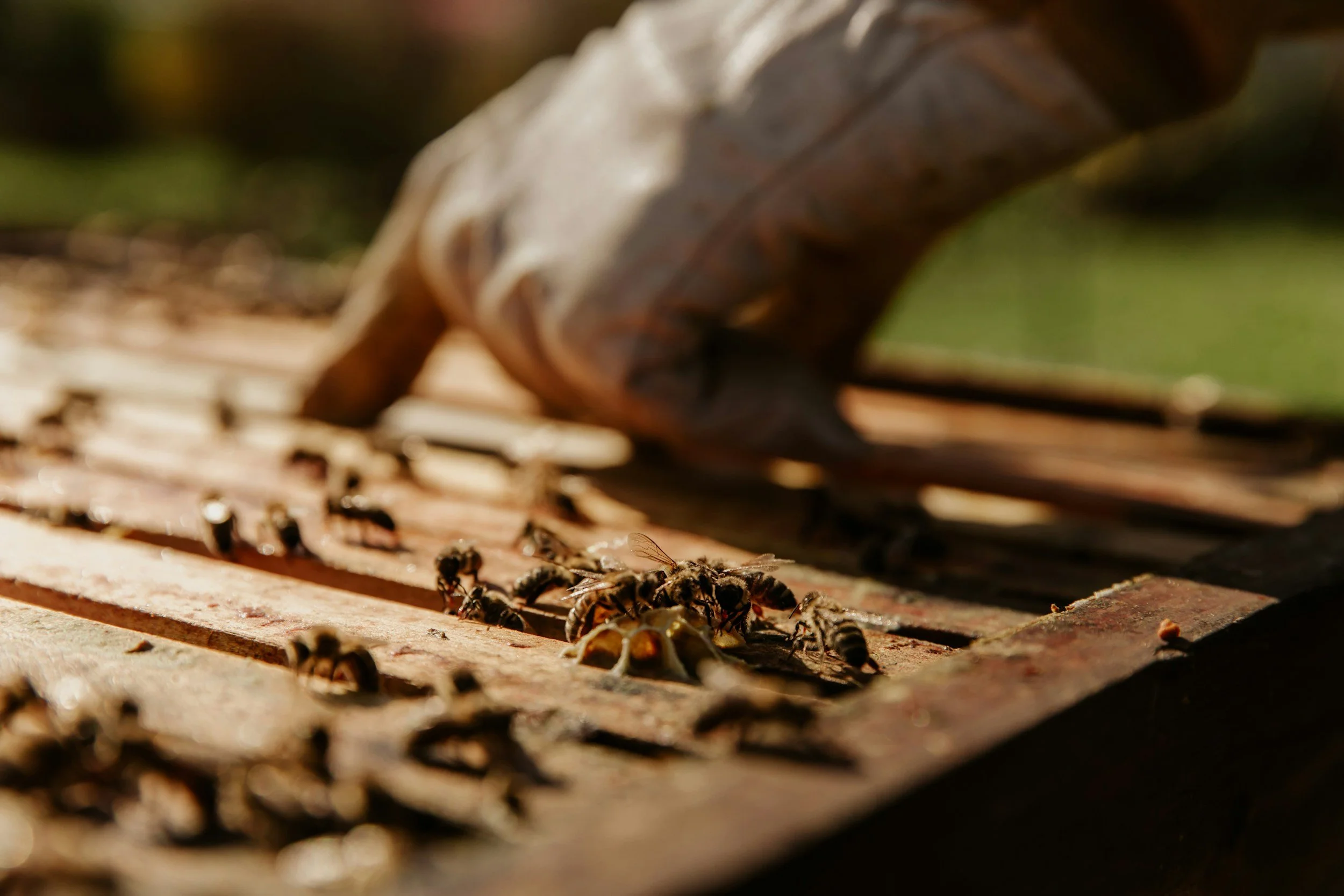
Healthier Bees. Resilient Apiaries.
Implementing strong biosecurity practices helps prevent the introduction and spread of pests and diseases while protecting colony health and surrounding ecosystems. By maintaining clean equipment, monitoring colonies regularly, managing risks when moving bees and materials, and responding quickly to emerging issues, beekeepers can reduce losses, limit disease transmission, and support more resilient, sustainable apiaries.
✺ Frequently asked questions ✺
-
The tuition is $100. The money goes directly to the BC Honey Producers’ Association and Technology Transfer Program for investment in further courses and programs to support honey producers in BC.
-
The course is self-paced. Based on our estimations, dedicating 2-3 hours per week typically leads to completion within one month. However, students have four months from the date of enrolment to complete the curriculum
-
Enrolment is open year-round to all individuals, so you can enrol anytime! The course is self-paced with a time frame of four months to complete the curriculum once you enrol.
-
We have created a Free Sampler course that allows you to see how the content is delivered so you can know if this learning is right for you. Try it now
-
No prerequisites or prior education is required. This course is suitable for anyone simply interested in learning more about Bees, beginner Beekeepers and those wishing to advance their knowledge in the industry.
-
Yes, our TTP Lead, Nuria will be available to answer questions about course content. And if you are having technical problems you can email Dan at learningsupport@ttp-bchpa.ca. There are also open class forums to discuss with other students
-
No. This course is for you to learn about honey bees and apiculture for your own purpose. Each module does have a quiz, but it has unlimited attempts. There are also self-knowledge checks throughout the course on what we consider to be important knowledge. Again, these allow unlimited attempts. So in the end, there are no grades, and once you complete the course and the end of course survey, you will receive an electronic badge indicating completion.