
Splitting Hives
April 2026
Written by: Leilani Pulsifer
Edited by: Nuria Morfin & Becky Miller
In our previous blog post on swarming, we went into detail on the whats, whys, and what-to-dos of swarming. Swarming is a honey bee colony’s natural response to its population becoming too large for the hive. The primary colony stays in the same location and produces a new queen while the swarm leaves with the old queen, settling in a nearby cluster until it finds a permanent new dwelling to establish a new colony. This behavior, though natural, has potential to be dangerous to both the swarm as well as the beekeeper who is tasked to retrieve said swarm. In the wild, swarms are at risk of being exposed to foreign pathogens, pests, or predators and are susceptible to sudden weather changes giving them only a 25% survival rate [1]. If the swarm clusters somewhere dangerous such as high in a treetop or inside the walls of a house, this can be both dangerous and extremely inconvenient for the beekeeper retrieving the swarm.
To avoid this and to encourage the growth of their operation, beekeepers have adopted the practice of splitting hives. There are several different methods, and you can choose the one that best suits your needs and preferences. In this article, we will be focusing on a walk-away split and an introduction split.
Before Making A Split
Before you make a split, there are a few things to keep in mind regardless of what method you use:
Only split strong colonies. Make sure the source colony has a high population of bees, a good amount of honey and brood, and does not show signs of diseases or pests. If you try and split a weak colony, its chances of survival are lessened – there are fewer bees to find resources, keep brood warm and defend the hive, and they are more susceptible to diseases and pests. If you have several weak colonies, consider combining them to increase their chances of survival.
Ensure the queen is productive. Some beekeepers prefer to use splitting as an opportunity to requeen their colonies while some prefer to keep the old queen. Regardless of what you choose, the most important thing is that the queens for both the source colony and the new split are healthy and productive.
Choose an appropriate time to create a split. The best time to create a split is typically between the late spring and early summer, after the nectar flow has started but before peak swarm season occurs. For British Columbia, this usually means between the start of April and beginning of June. If you split outside of this optimal time, the new colony may have a difficult time finding resources and increasing their population enough to fight off diseases and pests or establish enough to survive the winter.
Walk-Away Split
This is one of the most common ways to make a split. After splitting the hive, you simply walk away allowing the new colony to raise their own queen!
Prepare an empty nuc box and place it beside your source colony.
Locate the queen from the source colony. If you’re keeping the queen, cage her and place her aside to keep her safe while frames are being relocated. If you are requeening at this time, you can dispose of her now (don’t forget to thank her for all her hard work).
Once the queen has been put aside, choose 3-4 frames of bees from the source colony to be moved to the prepared nuc box. The chosen frames should consist of various resources and ages of bees including pollen, nectar and honey as well as brood, emerging brood, nurse bees, and workers. If possible, include an additional frame of honey to help establish the colony.
When placing the frames into the nuc box, place any frames containing brood into the middle of the box so that it is easier for the bees to regulate their temperature. Surround the brood with frames of honey and pollen (see Figure 1 for an example of a nuc configuration; note that there are different industry standards — click here for more information).
At this point, firmly shake 2-3 more frames of workers from the source colony into the split colony to help establish their population (return the frames to the source colony). The source hive will have bees returning from foraging and in the honey super so their population will quickly recover from this. Bees are prone to go back to their original hive, so block the entrance of the split with grass or consider moving it to a different apiary until they have adjusted to their new home.
Rearrange the frames in the source colony to match Figure 1 and replace the frames that were moved to the split with new frames.
Close up the source colony.
Move the split colony to your chosen location and leave it to establish for several weeks. A walk-away split requires the new colony to create queen cells, raise a new queen, and have her mate before she begins to lay eggs. This can take up to 4 weeks.
After several weeks, check-in with your hive to ensure that your new queen is laying eggs and your colony is looking healthy and strong.
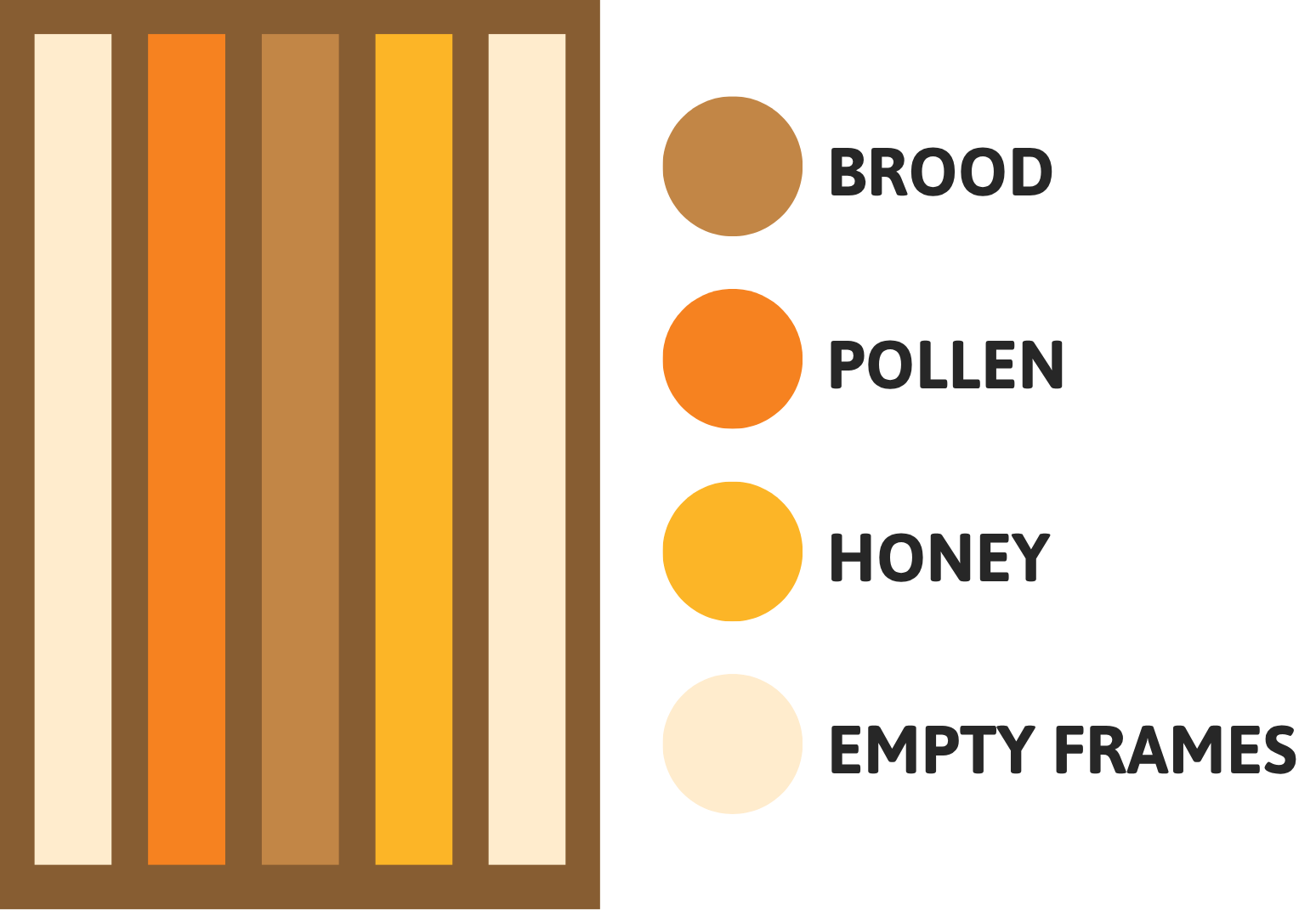
Figure 1. An example of a nuc configuration. Note that there are different industry standards.
Controlled Split with Introduced Queen
This method is virtually the same as the above method but rather than walking away and allowing the split to raise their own queen, you can use it as an opportunity to introduce a mated queen. This is a great way to get into selective breeding by introducing a queen with desired traits such as disease-resistance or hygienic traits.
Follow steps 1-3 as outlined above.
Before placing the frames into the nuc box, remove any queen cells that may be present.
Continue with steps 4-7 as outlined above.
After closing the source colony and moving your new split to your chosen location, introduce the new queen – you can do this in the following ways:
Introduce a queen cell: The frames in your split at this point should have already had all the natural queen cells removed. Place the chosen queen cell into the nuc box between two frames of brood. Close it up and leave the hive alone for 2 weeks! Opening the hive within this two-week window risks the queen cell being rejected by the colony. After two weeks, see if the queen has successfully emerged and is laying eggs.
Introduce a mated queen: Keep the queen in her cage and place the cage inside the nuc box. It’s important to allow the queen a gradual entry into the colony so that the workers are more likely to accept her. This is done by blocking the exit of the queen cage with candy (typically included in the cage when buying a new queen). Remove the plug that blocks access to the queen candy, and over the next few days, the bees will eat away at the candy and slowly release the queen, all while getting used to her pheromones. After one week, see if the queen has been accepted and is laying eggs.
Splitting hives might feel a bit daunting at first, but it’s a rewarding step in your beekeeping journey. Whether you go with the hands-off walk-away method or take a more active role by introducing a mated queen, both approaches have their own benefits. If it’s your first time, pick a calm, sunny day when you’re not in a rush, and move through each step at your own pace. Take your time, trust the process, and don’t hesitate to reach out if you have any questions—we’re always here to help! Send your message to info@ttp-bchpa.ca or on Instagram (@BC_TTP) or Facebook (@BC Tech Transfer).
References
[1] Caron, D. M., & Connor, L. J. (2013). Honey bee biology and beekeeping. Wiewas Press.
Kelly, P. “Splitting Hives.” YouTube, uploaded by University of Guelph Honey Bee Research Centre, 31 Aug 2016, https://www.youtube.com/watch?v=FwGWN0AyoFg.
Van Alten, A., Tam, J., & Bryans, R. (2013). Ontario Beekeeping Manual. Ontario Beekeepers’ Association Technology Transfer Program.