
François Huber: A Pioneer in Beekeeping
July 2026
Written by: Leilani Pulsifer
François Huber was born in Geneva on July 2, 1750. He was born into a prominent, successful, and well-connected family of traders and bankers. From childhood, Huber was well educated, particularly in the subjects of literature and natural history, taking after his father, Jean Huber — a successful author and painter, and a good friend of the famous French writer and philosopher, Voltaire.
Unfortunately, in his teen years, François Huber developed health complications and at 15 years old began to lose his eye site. It was this degenerative eye disease that took his vision completely by the time he reached adulthood. Despite these challenges, Huber dedicated himself to learning more about the natural world around him by observing through the eyes of those around him including his wife, Marie-Aimeé Lullin, his pupil and servant, François (Francis) Burnens, and later on, his son, Pierre Huber.
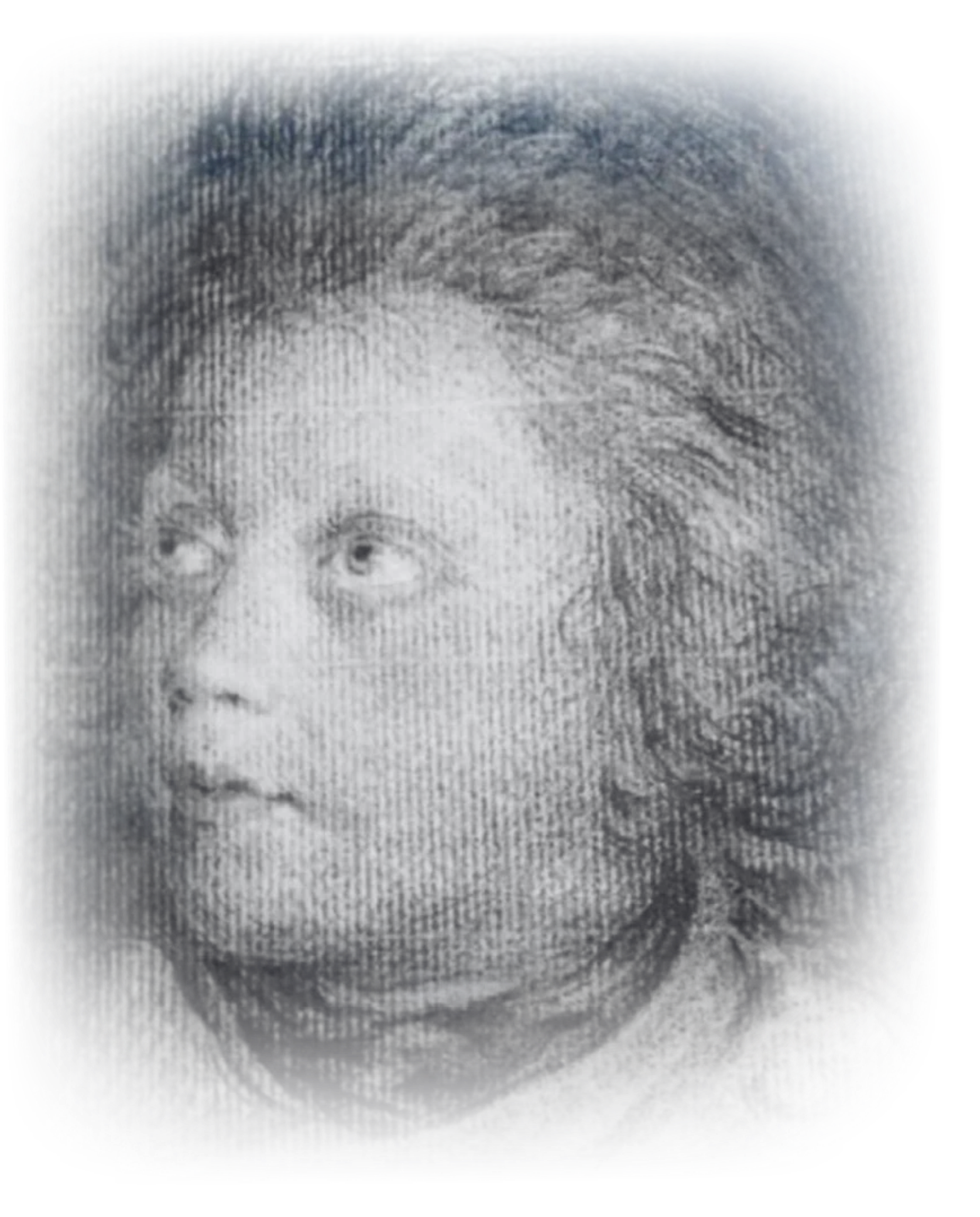
Fig 1. François Huber as an infant.
Before he lost his site, he met Marie-Aimeé Lullin who grew up in the same social circles as Huber. Due to Huber’s deteriorating eye site, Lullin’s father did not approve of their marriage, but Lullin ignored her father’s wishes and waited until she was 25 years old so she could legally make her own decision to marry Huber. Lullin ended up playing an integral role in Huber’s discoveries, acting as his eyes to read, write, and make observations.
Similarly, Huber had a servant, Francois (Francis) Bernens, who went above and beyond in his service to Huber. After hearing the works of Charles Bonnet and René de Réaumur, Huber began his research into honey bees. In 1789, to make observations more possible and to spare Bernens from collecting even more stings than he already had at that point, Huber designed the Huber leaf hive, which has been credited as the first hive to have movable comb and acted as a preliminary design to L. L. Langstroth’s hive (the Langstroth hive) which is still widely used to this day.
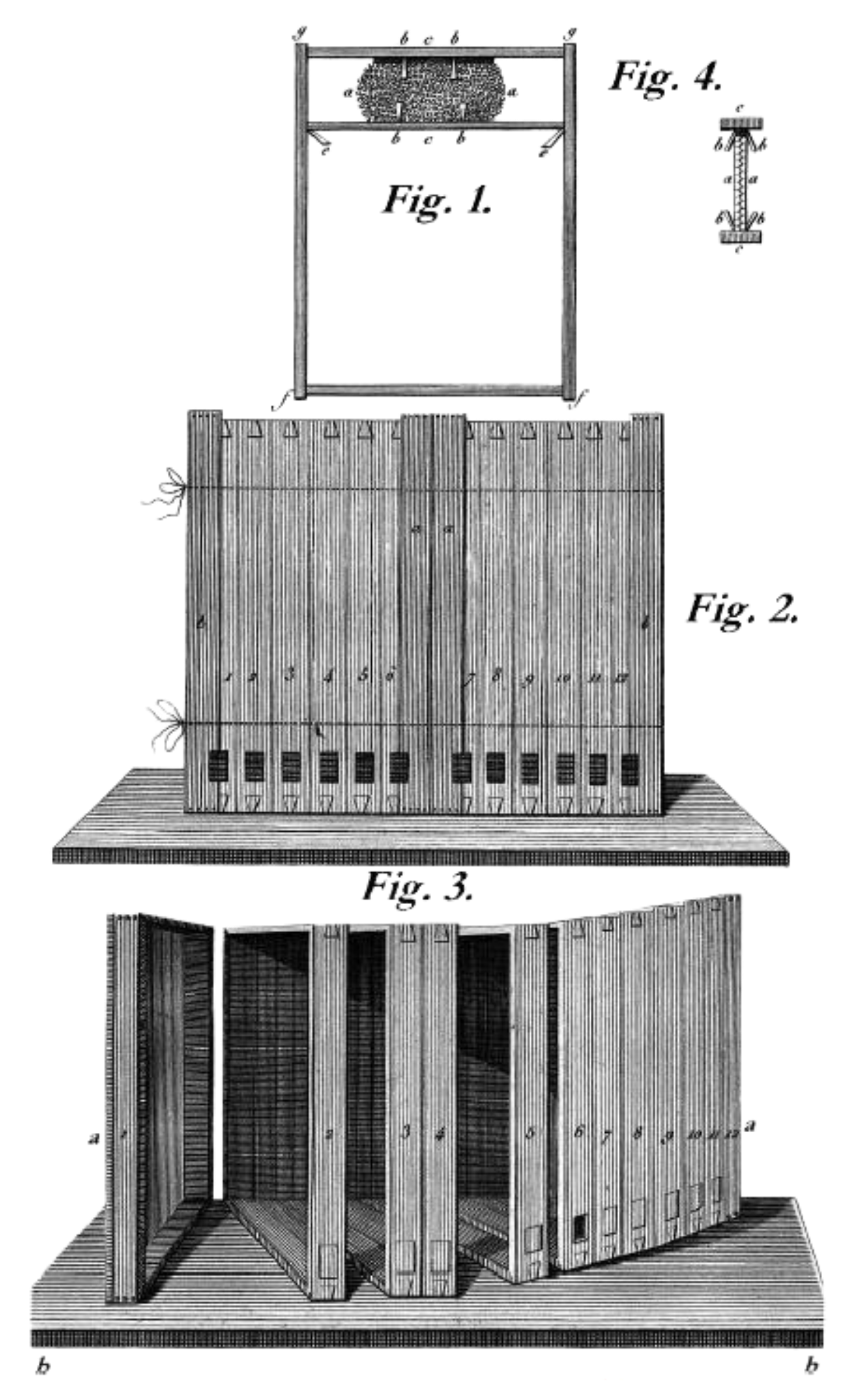
Fig 2. Huber’s Leaf Hive. Credited as the first hive to have movable comb.
In 1792, Huber published Nouvelles Observations sur les Abeilles, his first publication on honey bees which was later translated into English in 1806. In it, he describes his many discoveries including his most famous, that the queen bee mates outside of the hive, not inside. Additionally, Huber described in great detail the process of how queens fight each other for their place in the hive, that drones are killed or removed from the hive by the end of the summer season, that antennae are used to communicate with each other, and he also confirmed the works of Shirach that royal jelly is an important part of rearing queens.
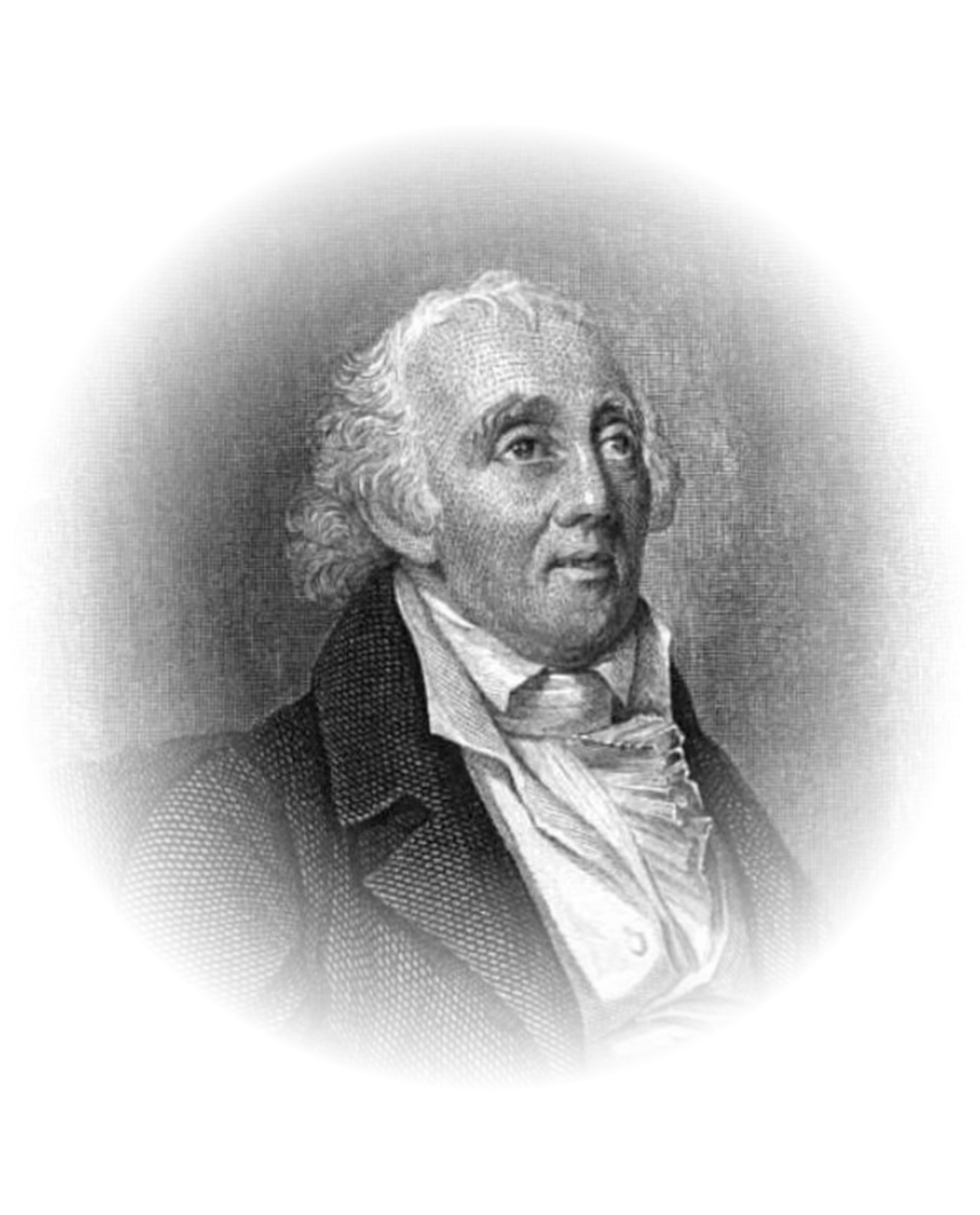
Fig 4. A portrait of Francois Huber as an adult.
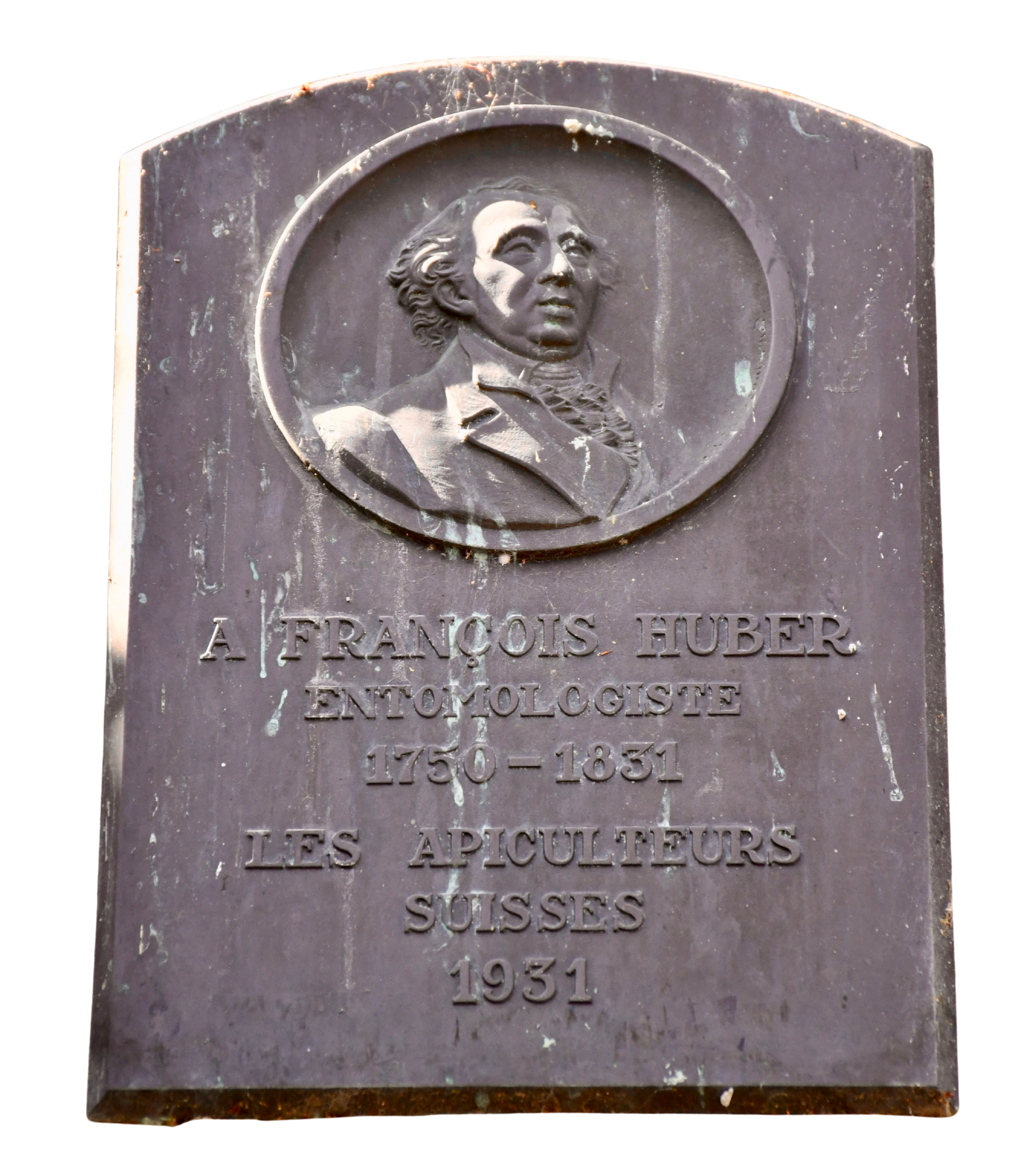
Fig 5. A plaque commemorating Huber’s contributions.
Despite being blind, François Huber made significant contributions to the academic world. Although he is best known for his pioneering research on honey bees, his work also advanced broader fields within environmental studies, including animal behavior, natural history, and scientific observation.
References
de Candolle, A. P. (1832). The life and writings of François Huber. In The Edinburgh New Philosophical Journal (Vol. 13, pp. 283–296). Google Books.
Fig 1. Huber, J. (n.d.). Portrait de François Huber enfant par son père Jean Huber [Drawing]. Wikimedia Commons. https://commons.wikimedia.org/wiki/File:Portrait_de_Fran%C3%A7ois_Huber_enfant_par_son_p%C3%A8re_Jean_Huber.jpg
Fig 2. Wikimedia Commons contributors. (n.d.). Francois Huber Hive [PNG image]. Wikimedia Commons. https://commons.wikimedia.org/wiki/File:Francois_Huber_Hive.png
Fig 3. Jardine, W. (1859). Francois-huber-(1750-1831) [Portrait]. Wikimedia Commons. https://commons.wikimedia.org/wiki/File:Francois-huber-(1750-1831).jpg
Fig 4. Wikimedia Commons contributors. (n.d.). Plaque de François Huber [Photograph]. Wikimedia Commons. https://commons.wikimedia.org/wiki/File:Plaque_de_Fran%C3%A7ois_Huber.jpg